بسم الله الرحمن الرحيم
Pillar of the Hereafter
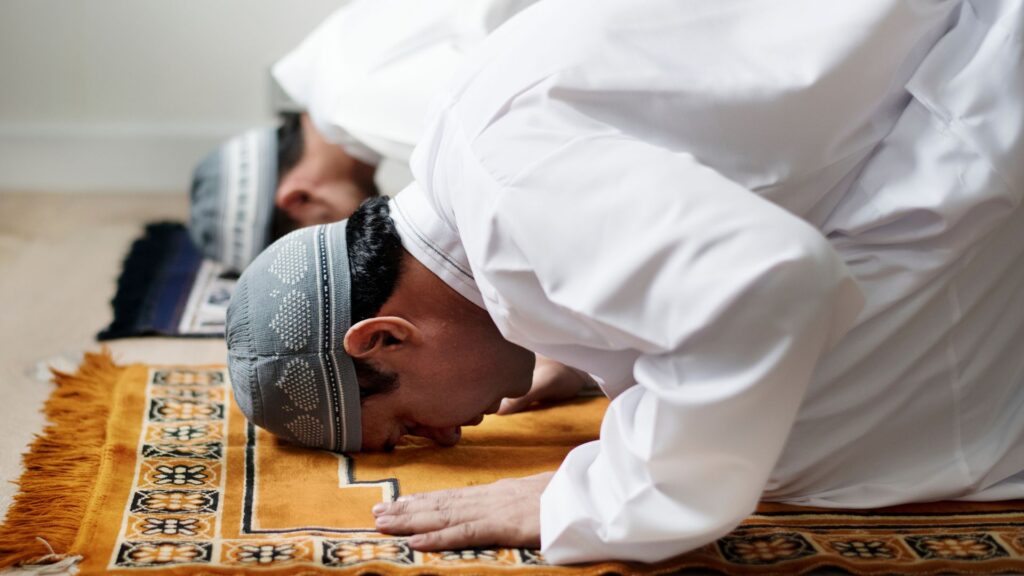
Salah (prayer) is the first deed for which a person will be held accountable on the Day of Judgment. The Prophet Muhammad (ﷺ) said: “The first matter that the slave will be brought to account for on the Day of Judgment is the Salah. If it is sound, then the rest of his deeds will be sound. And if it is bad, then the rest of his deeds will be bad.” (Tirmidhi).
Establishing regular Salah with sincerity and devotion is a cornerstone of preparing for the Hereafter.
In another hadith, the Prophet (ﷺ) said:
“The first thing for which a person will be brought to account on the Day of Resurrection is his Salah. If it is found to be complete, it will be recorded as complete, but if anything is lacking, Allah will say: ‘Look and see if My slave has any voluntary (prayers) to make up what is deficient in his obligatory prayers.’ Then the rest of his deeds will be judged in like manner.” (Sunan Abu Dawood)
This hadith emphasizes the importance of performing Sunnah and voluntary prayers, which serve to perfect and compensate for any shortcomings in our obligatory prayers. It highlights Allah’s mercy and His willingness to accept additional acts of worship to make up for deficiencies.